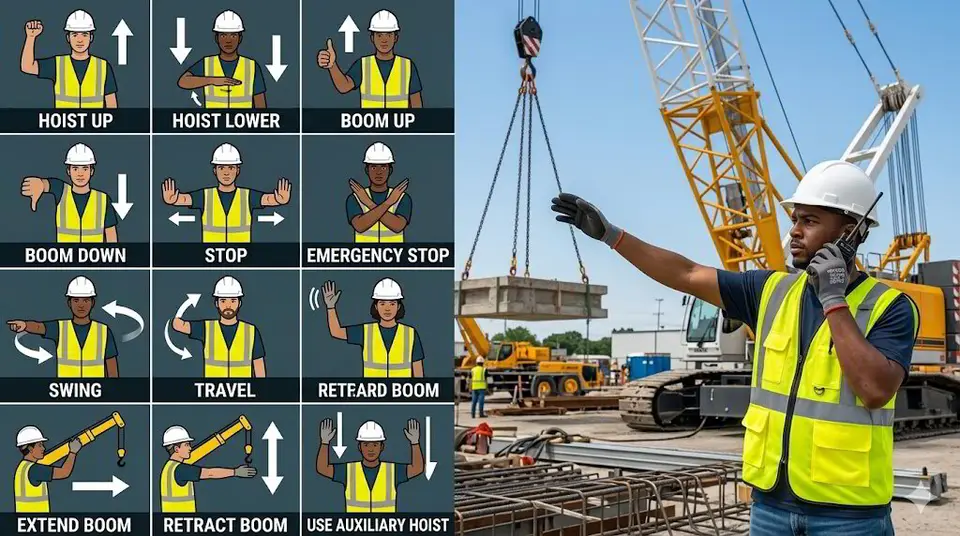
Complete Guide to Signal Person Certification Requirements: Everything You Need to Know
OSHA requires a qualified signal person; certification is how many workers prove it. Here is what both layers demand and how to prepare.
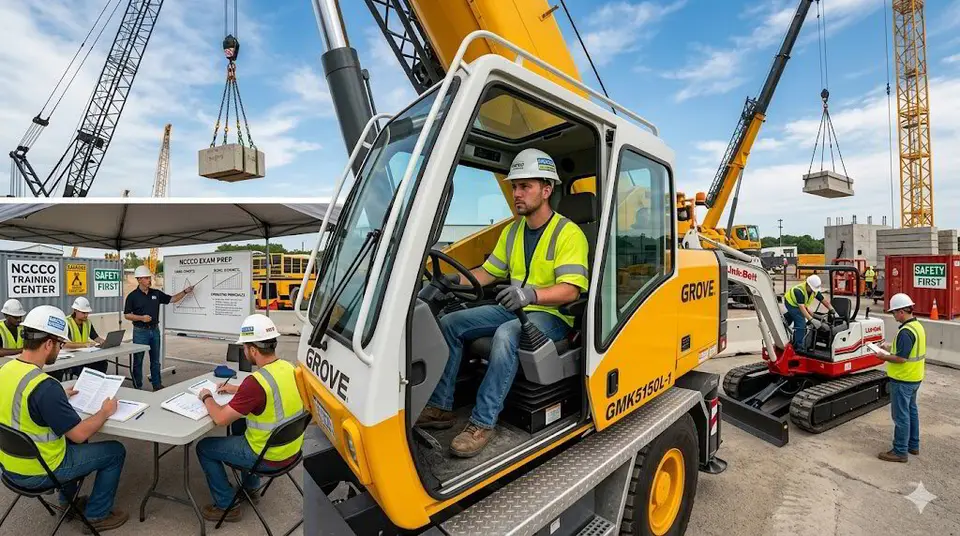
Practical articles for operators, riggers, signal persons and the people who hire them. Read up on crane certification exam preparation, OSHA requirements, recertification and how to choose between NCCCO, CIC, NCCER and OECP credentials.
OSHA requires a qualified signal person; certification is how many workers prove it. Here is what both layers demand and how to prepare.
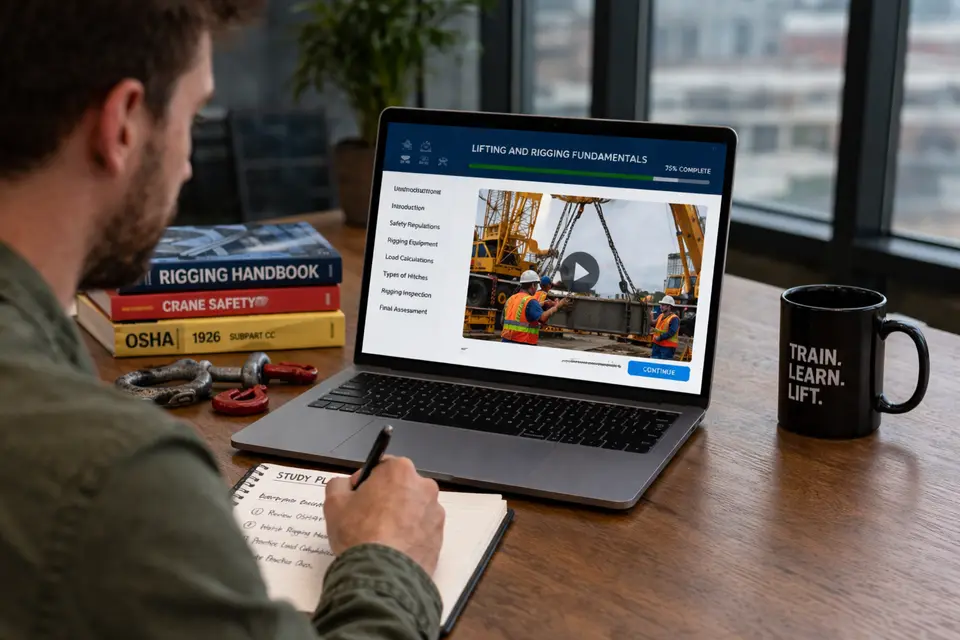
The reference materials worth your time, a sample eight-week schedule, and study habits that work for crane operators preparing for NCCCO written exams around a full work week.
Qualification training, Rigger Level I and II exam prep, and signalperson courses solve different problems. Here is how to compare online rigging courses and when hands-on training is still needed.
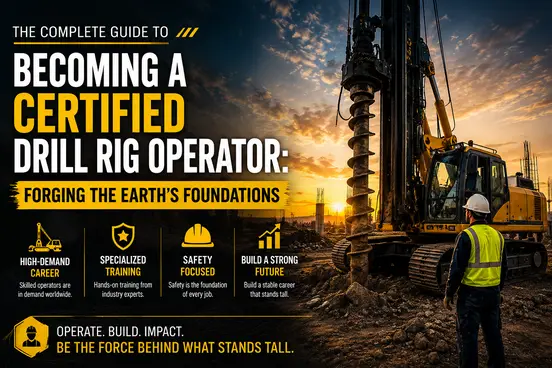
Kelly bars, casing, slurry and rebar cages: what foundation drill rig operators actually manage, the hazards involved, and how NCCCO certification and online exam prep fit the career.
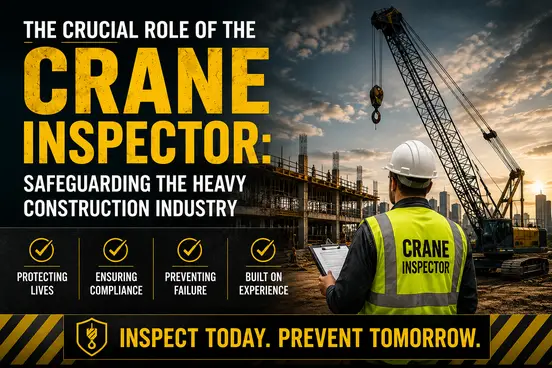
Crane inspectors catch cracked welds, worn rope and faulty safety devices before they cause harm. Here is what the job involves, the inspection hierarchy under OSHA, and how to get certified.
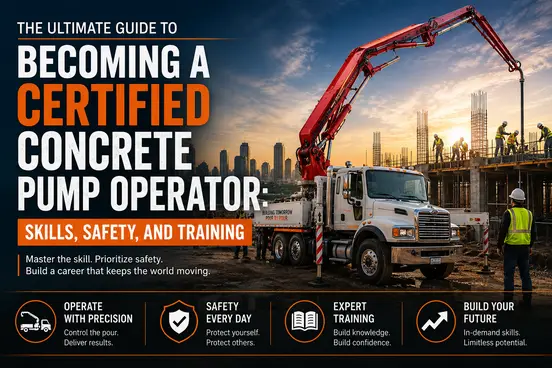
The technical side of running a boom pump safely: ground and outriggers, why lines block, how hose whip happens, power line discipline, washout hazards and the ASME B30.27 standard.
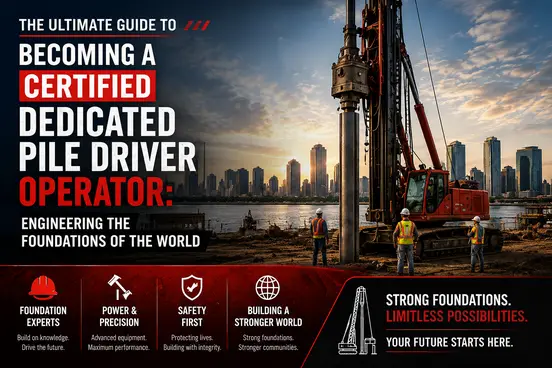
Leads, spotters, hammers and batter charts: what a dedicated pile driver operator must understand, and how the NCCCO DPD certification path works.
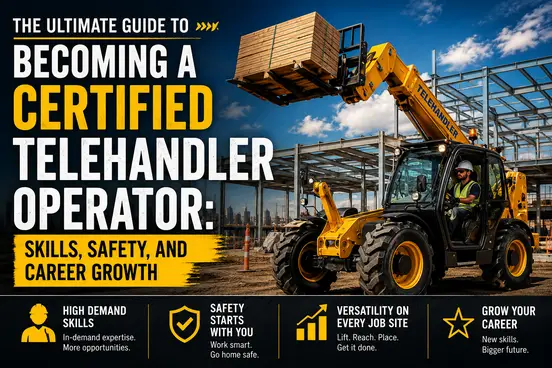
Why telehandlers tip, how their load charts work, when OSHA treats them as cranes, and how NCCCO and NCCER telehandler certification fits your career.
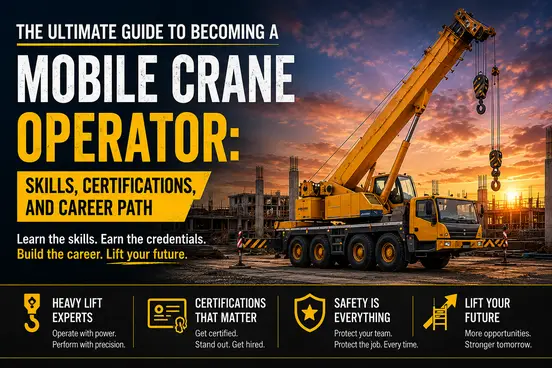
A practical career roadmap for mobile crane operators: core skills, the four main crane designations, NCCCO exams and keeping your credentials current.
Master rigging math, hardware recognition and hands-on drills in the right order, then rehearse both the written and practical rigging exams.
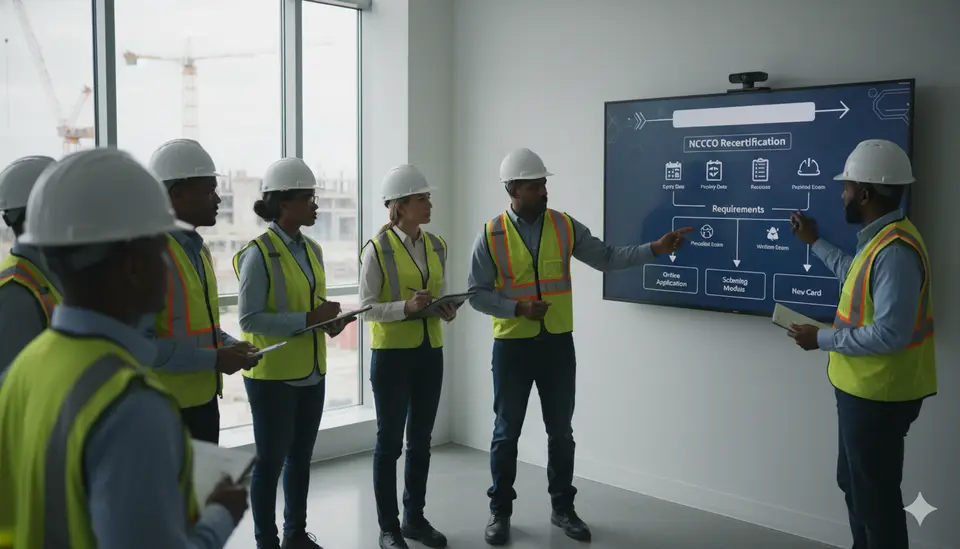
Six steps to renew a signal person credential on time, what to brush up on before retesting, and how safety managers can keep a crew's renewals from slipping.
California crane operators answer to Cal/OSHA. Learn how NCCCO certification fits that system and compare online, classroom and blended exam prep.
Qualified vs. certified riggers, Level I vs. Level II, signalperson credentials and an honest look at what online rigging prep can and cannot do.
Hand signals, voice commands, crane dynamics and positioning: a look inside signal person training online and how to rehearse the physical skills before the practical.
Live virtual classes, self-paced refreshers and in-person sessions all prepare operators for recertification exams. Compare them on content, timing and true cost before your card expires.
A four-phase plan for studying for NCCCO written exams online: diagnose, learn by domain, rehearse under time pressure, and handle test day with a clear head.
Free samples, question banks, course quizzes or full timed simulations? Compare the kinds of NCCCO practice exams available online and how to judge their quality.
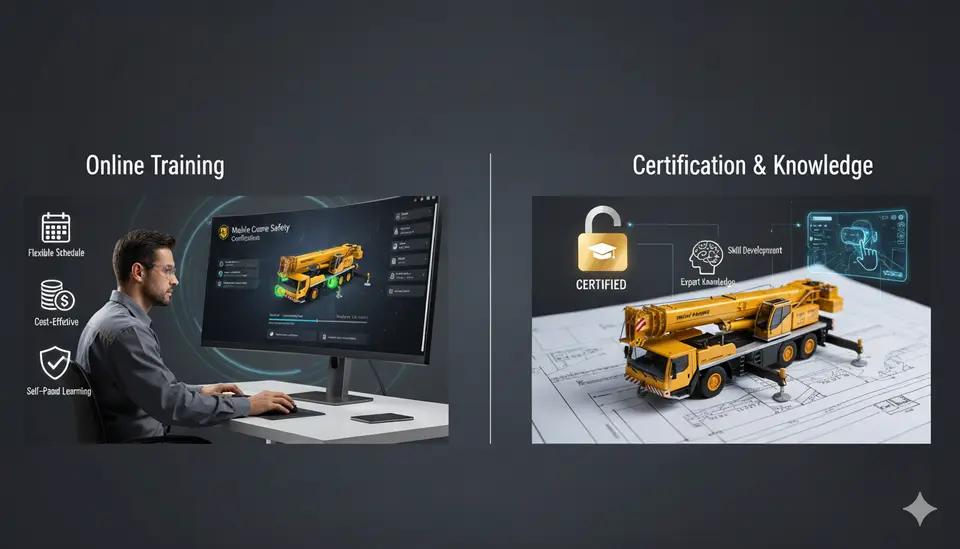
A straight look at what online crane certification prep does well for an operator, what it can't replace, and the cost questions worth asking before you sign up.
A section-by-section look at the OSHA crane rules that shape an operator's day, and which online courses help you meet them.
Where online crane safety training beats the classroom, where it does not, and how operators and safety managers can blend the two into a program that actually works.
What you can do online, what must happen in person, and the five moves that take you from choosing a designation to holding an NCCCO card.
Core prep, TLL/TSS modules, practice exams, recert courses: what each part of an online NCCCO course covers and how to match the pieces to the exam you plan to take.
Exam prep or qualification? Level I or II? Self-paced or live? A plain guide to sorting online rigging courses by what they actually deliver.
Eligibility, choosing a crane type, seat time, the written and practical exams, employer evaluation and renewal: the full sequence for becoming a certified crane operator.
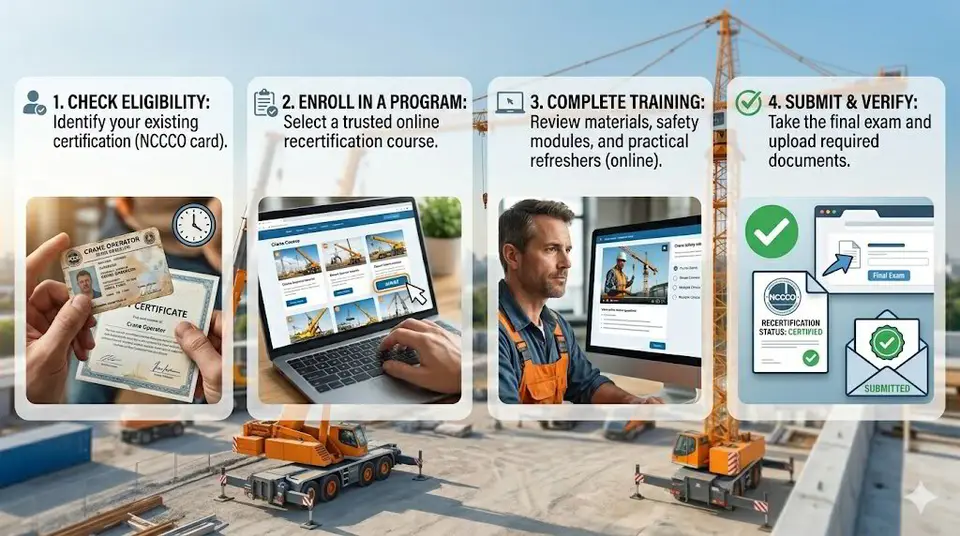
A countdown plan for crane operator recertification: when to check your records, when to start refresher prep, and how to sit the recert exams before your card lapses.
Why crane operators add a Level 1 rigging card, what the tier means, how both exams work and a preparation plan that fits around shifts.
From hose hand to certified boom pump operator: the skills, licenses, training and NCCCO exams involved in building a career in concrete pumping, laid out step by step.
Third-party certification, employer qualification or manufacturer training? Compare the paths from crane operator to qualified crane inspector.
The renewal cycle for crane inspectors, what to document, which standards to revisit and how to choose between online and in-person review.
Where self-paced online study helps future lift directors most, where a classroom still wins, and a short checklist for judging any prep course.
From operator, rigger or signal person to lift director: the responsibilities, the experience ladder, the skills to build and how certification fits the path.
What the lift director role covers, how NCCCO Lift Director certification works, the knowledge areas tested, and a realistic plan for preparing and renewing.
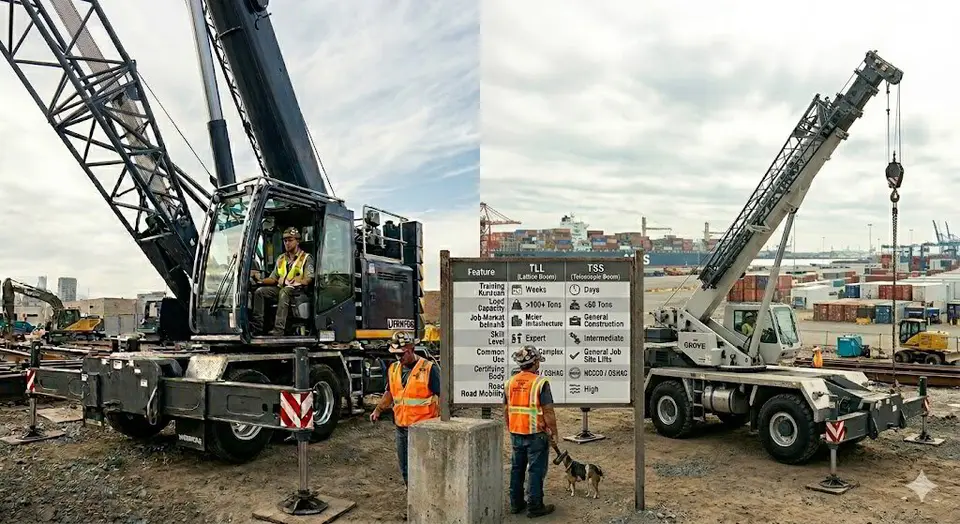
TSS and TLL are telescopic boom crane specialties, not tower crane credentials. Learn what each covers and how to prepare for the NCCCO specialty written exams.
New hand, boom truck operator, veteran or renewer? Match your telescopic crane training to your starting point instead of picking a format at random.
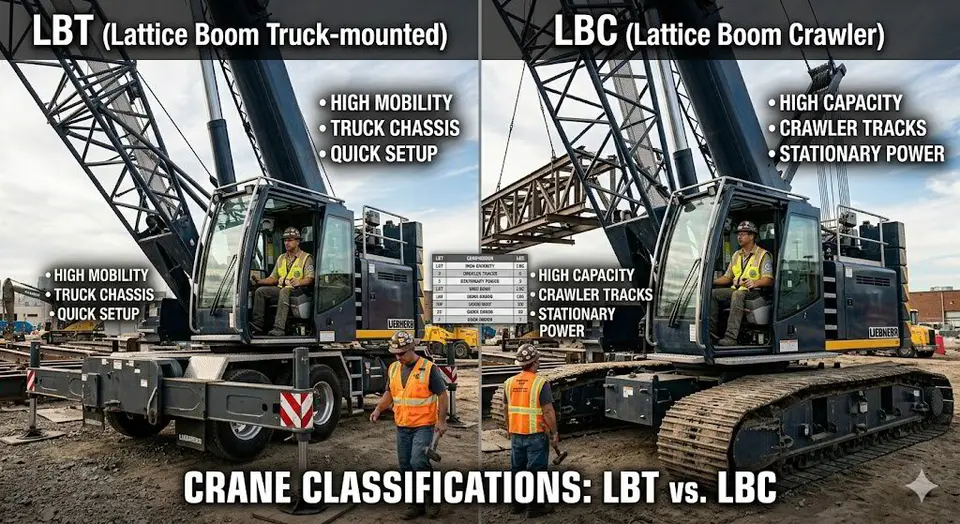
Truck carrier versus crawler tracks: how lattice boom truck and lattice boom crawler cranes differ in setup, travel, ground pressure and certification.
What the NCCCO LBT designation covers, how it differs from LBC, TLL and TSS, and how to choose between online and classroom preparation.
From mobile and tower cranes to rigging and signaling, compare the main crane career paths and the certification each one requires before you choose where to start.
Eight clear steps from choosing a certifying body to holding your card, showing which parts you can complete online and which require a real crane and examiner.
Self-paced, live virtual, classroom and blended mobile crane training each have strengths. Here is how to match the format to your experience, schedule and certification goal.
OSHA cards, safety qualifications and accredited crane certification are not the same thing. Here is how they differ and how to build a credential stack online.
Certified, qualified, competent or trained? A role-by-role map of crane safety requirements for operators and the companies that employ them.
Fix the habits that cost crane operators points on NCCCO exams: misreading questions, chart slips, fuzzy OSHA rules and test-day nerves.
A practical look at the LBC and LBT specialty exams: the topics that trip candidates up, how lattice boom load charts differ, and how online prep fits with seat time.
Studying is half the job. Here is how to manage time, read load chart questions, handle the practical course and plan exam week so your CCO knowledge shows up on the score sheet.
Self-paced, live virtual, hybrid, apprenticeship or employer program: compare the formats of crane training and match one to your career stage.
NCCCO tests by machine type, so your course should too. Match each NCCCO operator designation to the right online prep and learn what to check before you enroll.
A plain-language map of the online crane training landscape: the four program types, what each prepares you for, and a checklist for judging quality before you enroll.
Taking practice tests is easy; learning from them is the skill. Classify each miss, space your retests, drill load charts and learn what your scores really mean.
The tools, habits and readiness checks that make online NCCCO preparation work for operators studying around full-time jobs.
Candidate handbooks, ASME standards, real load charts and timed practice tests: the toolkit for online NCCCO study, plus a six-week plan to use it.
Rigger Level II moves you from following a rigging plan to building one. See what the credential covers, how it compares with Level I, and how to prepare.
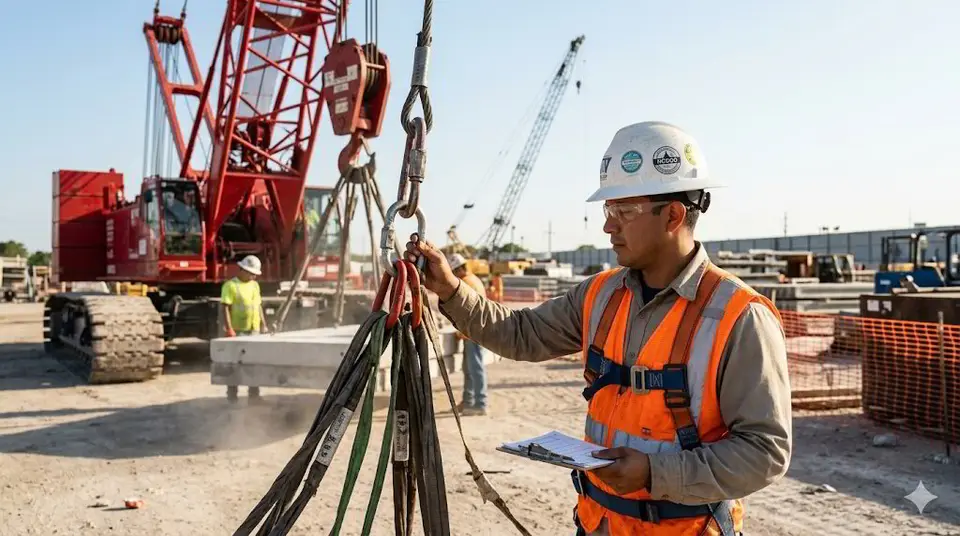
Qualification or certification? Self-paced or live? A practical way to compare signal person training options and the questions to ask before you enroll.
Disaster lifts are unplanned, unstable and urgent. Here is how operator, rigger, signalperson and lift director credentials combine on a response team.
The five-year clock, the experience rule, recert written exams and when a practical comes back into play: the rules behind renewing an NCCCO card.
Certification, evaluation, equipment familiarization and crew training: the layers of crane training a construction contractor needs, and how formats compare.
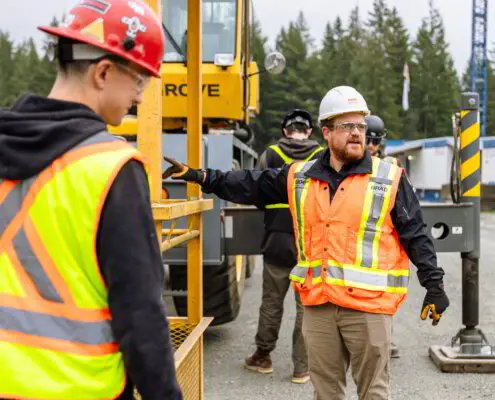
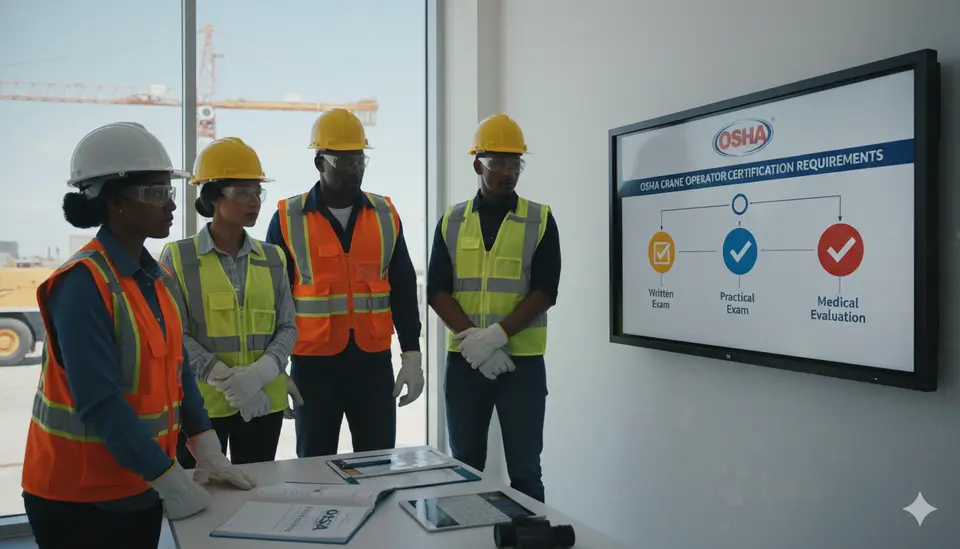
Who OSHA requires to be certified, the accepted routes to certification, the employer evaluation layer, and the equipment the rule does not cover.
Safer lifts, portable proof of skill, cleaner compliance records, deeper technical knowledge and stronger bids: why rigging certification pays off for both sides.
Awareness course, certification prep or refresher? Sort out which kind of online mobile crane safety training you actually need before you enroll.
Four candidate profiles, four different course needs. Use this scorecard to pick an online mobile crane prep course that fits where you are.
Tower cranes are scarce in training yards, which changes the online-versus-classroom math. Here is how to plan written prep and practical time.
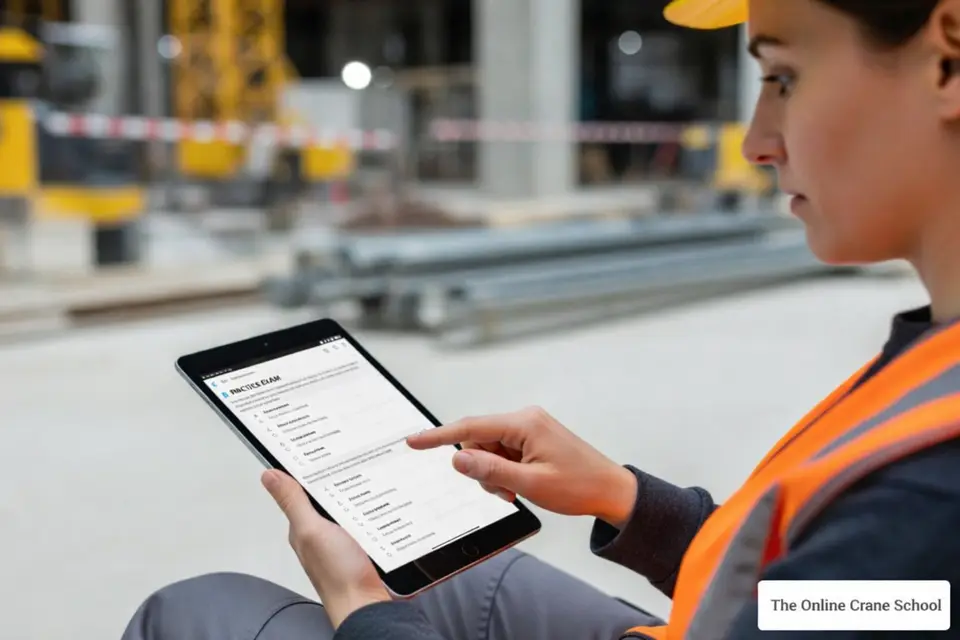
Why contractors use online prep to get crews certified without pulling them off projects, what operators gain, and where hands-on training still has to fill the gap.
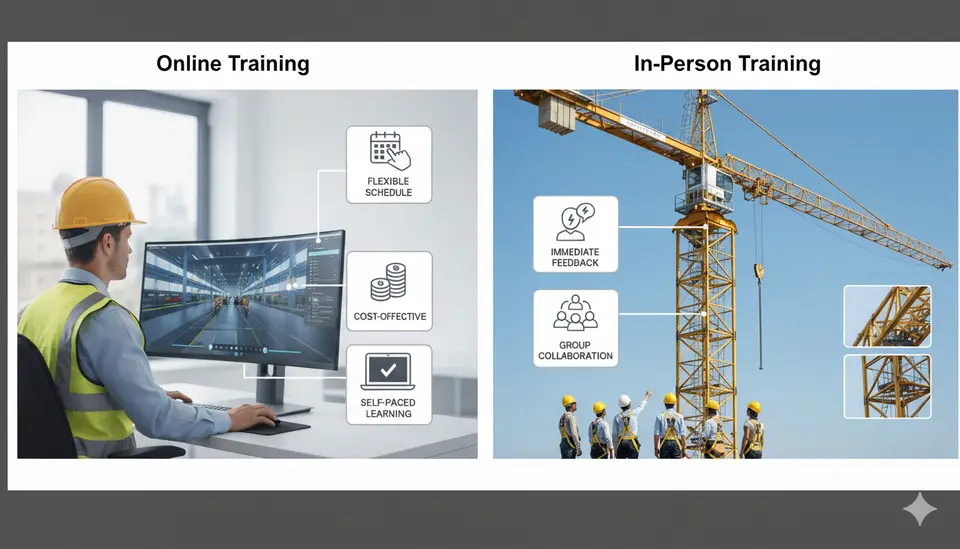
Self-paced, live virtual, classroom, hybrid with seat time or practice tests only: how the five main NCCCO prep formats compare and how to choose.
Dedicated crane prep schools, broad safety-training catalogs, union apprenticeships and college programs each serve different needs. Here is how to compare them and what to avoid.
Wider job access, more leverage for better-paid work and safety knowledge you use every shift: the three practical payoffs of NCCCO exam preparation.
New to certification? Begin with our complete guide to getting NCCCO certified online, then read what OSHA actually requires of crane operators.
Studying for an exam now? Our NCCCO test preparation tips and the practice test guide are the quickest wins. Already certified? See how recertification works.
Articles fall into a few broad groups: certification guides that explain how each credential works, exam preparation advice for the written and practical tests, rigging and signaling explainers, and career pieces on roles such as lift director, crane inspector and concrete pump operator. Use the tags and recent posts to jump to the topic you need.
Every article is written to explain the process in plain language. Rules, fees and exam formats are set by OSHA and the certifying bodies and can change, so treat each post as a starting point and confirm specifics on the official website before you register for an exam.
Ready to train? Browse the crane course catalog.
No. They explain the process in plain language, but exam rules, fees and outlines come from the certifying bodies. Always confirm details on the organization's own website.
If you're starting out, read the step-by-step NCCCO guide linked above, then the OSHA requirements overview.
We add articles as questions come up from students and as certification topics change. Check back here or browse by tag to find the latest posts.